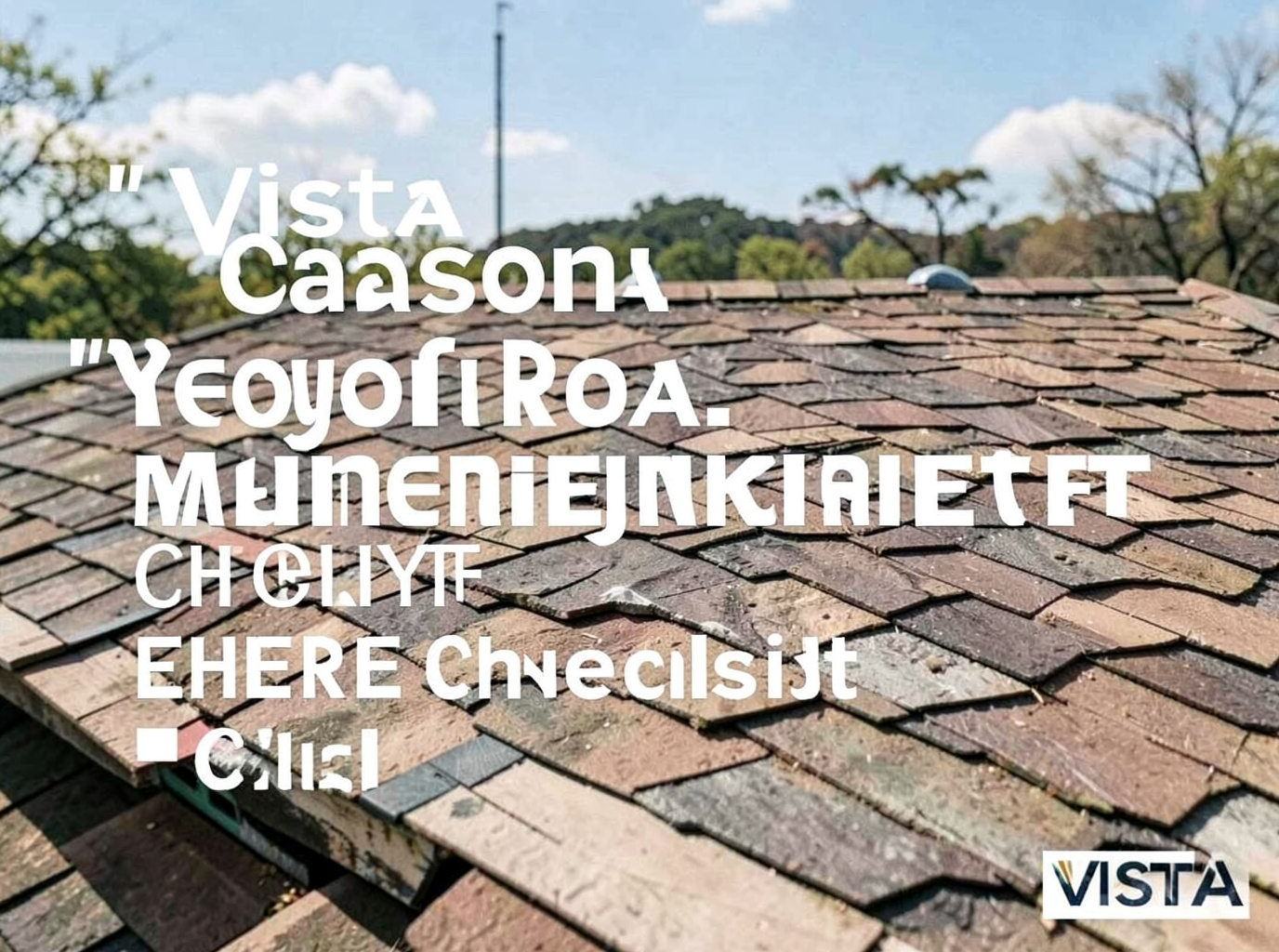
Vista Valley sits on the north side of Vista with many single-story ranch homes built in the 1970s and 1980s. These homes often have concrete tile roofs that expand and contract in the warm dry summers, creating small gaps at the ridges and valleys. When the first winter rains arrive, water finds those gaps and travels under the tiles to the underlayment. Our crews work from the top down, checking every row instead of just the obvious spots.
Access in Vista Valley can be tight on streets like Mar Vista Drive and around the golf course fairways. Trailers sometimes have to be parked at the curb while we carry materials up driveways that slope toward the house. We bring extra tarps because the open terrain lets wind pick up during Santa Ana events and push water under lifted tiles faster than in flatter parts of San Diego County.
Homeowners near Guajome Lake see more moss on north-facing slopes because shade from mature trees holds moisture longer after a storm. We treat those sections with zinc strips during repair so the next rain cycle does not restart the growth cycle under the tiles.
Around Vista Valley, CA
We regularly work near:
- 📍Rancho Guajome Adobe
- 📍Vista Valley Country Club
- 📍Guajome Lake
- 📍Moonlight Amphitheatre
- 📍Alta Vista Botanical Gardens
Roof Leak Repair in Vista Valley, CA — Local Notes
- •Many Vista Valley roofs from the 1970s still have the original 30-pound felt that has dried out, so we replace sections rather than patch over it.
- •Sloped lots near the golf course direct runoff toward foundations, so we always check that gutters empty at least six feet away from the house.
- •Narrow cul-de-sacs around Shadowridge require us to stage ladders and bundles on the street side to avoid blocking neighbor driveways.